
If you’ve ever tried to pay for a Netflix subscription, run a Facebook ad, or buy something on Amazon with a regular naira debit card, you already know the pain — declined transactions, hidden conversion fees, and bank restrictions that make simple international payments feel like a battle.
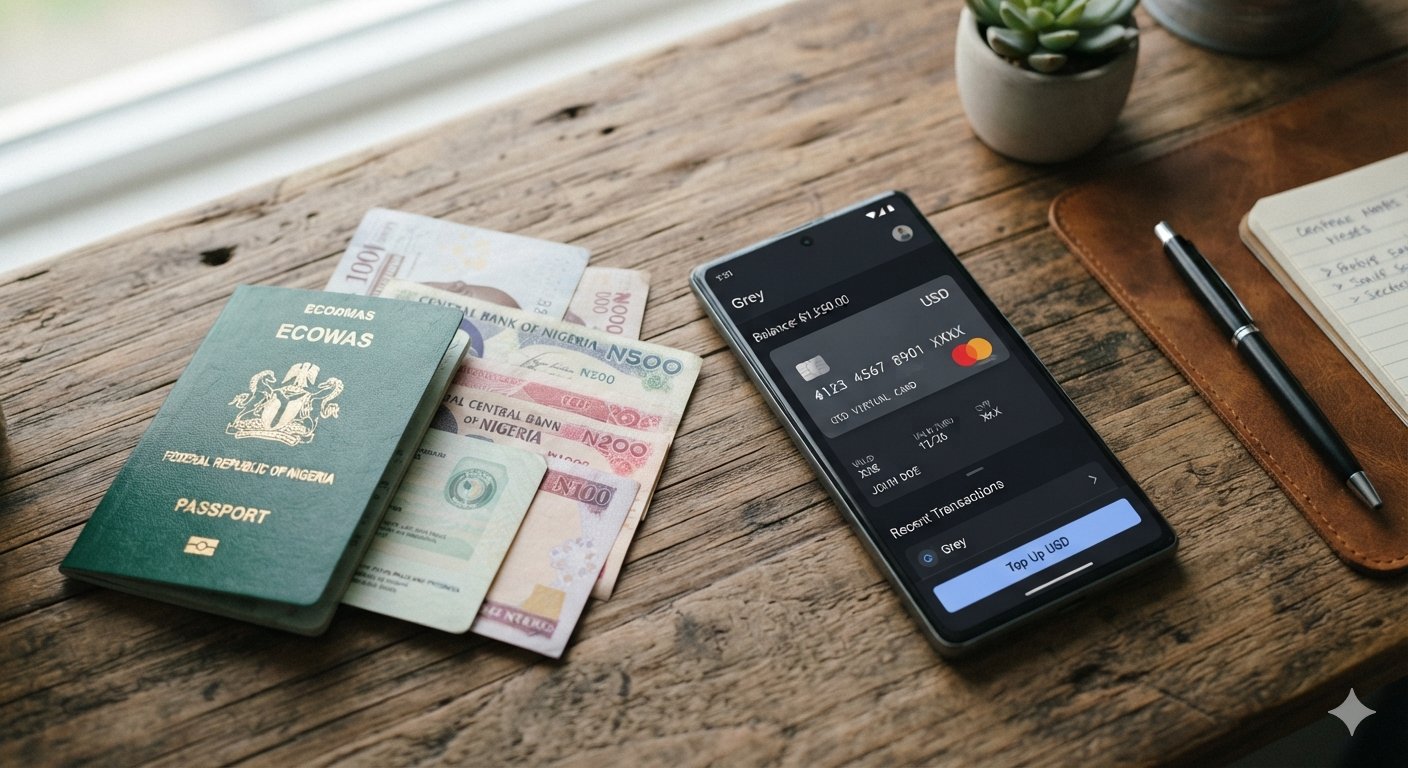
A virtual dollar card solves this. It’s a digital, USD-denominated card — complete with a 16-digit number, expiry date, and CVV — that you fund in naira (or sometimes stablecoins) and spend anywhere Visa or Mastercard is accepted online. No physical card, no bank branch visit, and in most cases, no BVN drama.
In this guide, we rank the best virtual dollar cards in Nigeria for 2026 based on fees, funding flexibility, and how reliably they actually work on the platforms you use most — subscriptions, freelance payouts, ad accounts, and online shopping.
How We Ranked These Cards
Before the list, here’s what actually separates a good virtual dollar card from a frustrating one:
- Card creation fee — most range from free to $2
- Maintenance/inactivity fees — some charge a small recurring fee even if you don’t spend
- Funding options — naira transfer, USDT/USDC, or gift cards
- Acceptance rate — how often the card gets declined on major platforms
- Exchange rate transparency — the spread between the card’s rate and the official market rate
Fees and rates in this space change often, so treat the figures below as a snapshot rather than a guarantee — always confirm current pricing on the provider’s app before funding a card.
Top 8 Virtual Dollar Cards In Nigeria (2026)
1. Cardtonic
Cardtonic is consistently one of the most recommended virtual dollar cards for Nigerians on a budget. Card creation typically costs around $1–$1.50 with no ongoing maintenance fee, and the platform supports multiple funding routes including naira transfer, a dedicated virtual account, and stablecoins like USDT and USDC.
- Best for: Budget-conscious users and stablecoin holders
- Funding: Naira transfer, virtual account, USDT/USDC, gift cards
- Works well on: Amazon, Netflix, Google/Meta ads, most SaaS subscriptions
2. Chipper Cash
Chipper Cash has been in the Nigerian fintech space long enough to earn trust, and its virtual dollar card is often the first one new users try because of how simple the app experience is. Acceptance is broad across most international platforms, and exchange rates are generally competitive.
- Best for: First-time virtual card users who want simplicity
- Funding: Naira wallet top-up
- Works well on: General online shopping, streaming subscriptions
3. Eversend
Eversend offers a prepaid USD card usable anywhere Visa is accepted, and it’s available not just in Nigeria but also Kenya and Ghana — useful if you transact across multiple African markets. Cards can be funded directly from a multi-currency wallet.
- Best for: Users who also hold or move money in other African currencies
- Funding: Multi-currency wallet (USD, NGN, and others)
- Works well on: Cross-border shopping and remittances
4. Wema Bank ALAT
For users who’d rather stick with a licensed Nigerian bank, ALAT’s virtual dollar card is created directly in the app and funded by converting naira to USD at the bank’s prevailing rate. It supports balances of up to $20,000 and comes with a 3-year validity — longer than most fintech alternatives.
- Best for: Users who prioritize bank-backed stability over fintech convenience
- Funding: In-app naira-to-USD conversion
- Works well on: Large purchases, long-term use without card reissuance
5. Fundall
Fundall’s first virtual card is typically free, with additional cards costing a small flat fee. It requires a modest minimum funding amount and is built for freelancers and online business owners who need to run multiple cards for different purposes.
- Best for: Users who want to separate spending across multiple cards
- Funding: Naira transfer
- Works well on: Amazon, eBay, Alibaba, subscription management
6. Bitsika
Bitsika’s virtual Visa dollar card is popular among crypto-native users, since it integrates closely with the platform’s stablecoin and crypto wallet features. It’s a solid pick if you already hold USDT and want to spend it directly without a separate off-ramp step.
- Best for: Crypto and stablecoin users
- Funding: USDT and naira
- Works well on: Online shopping, subscriptions, ad spend
7. Grey
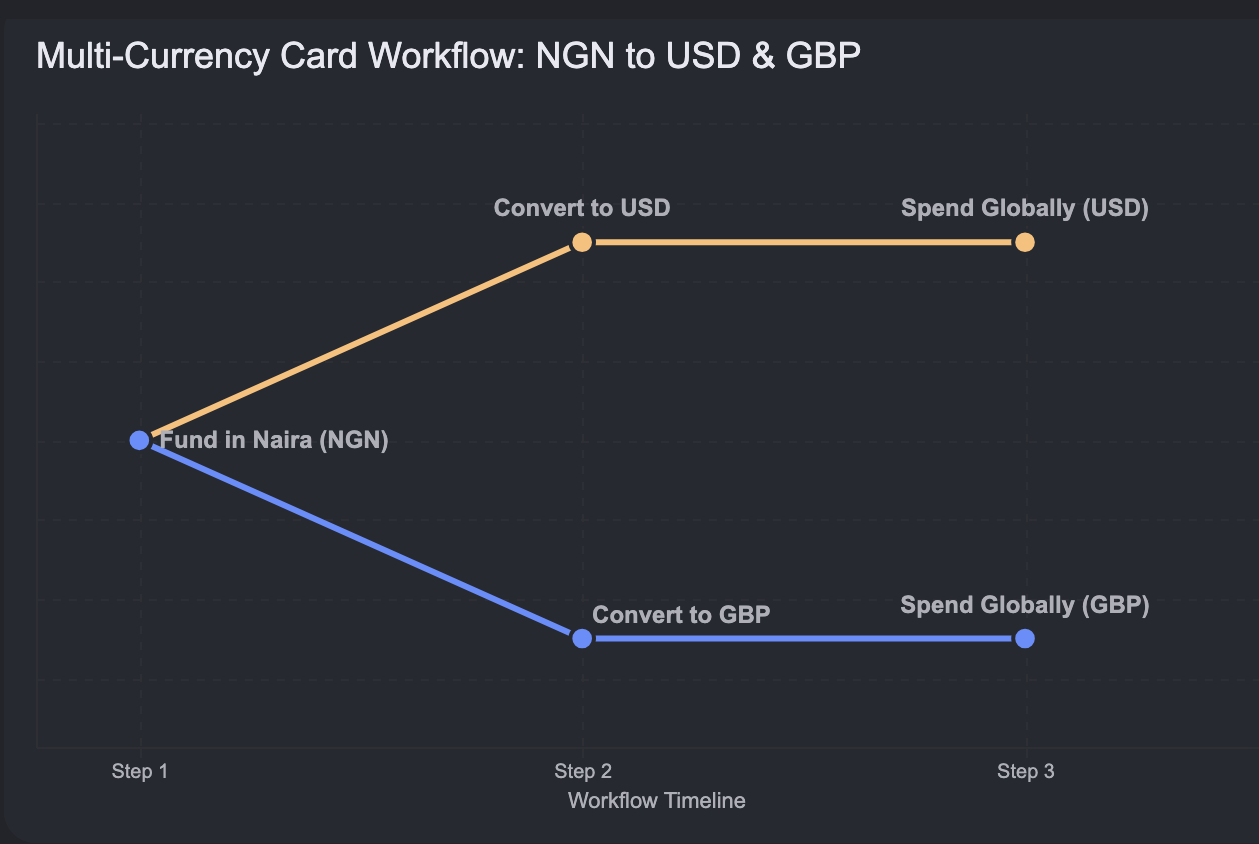
Grey started as a cross-border payment platform and has expanded into virtual dollar cards, appealing to freelancers and remote workers who receive USD, GBP, or EUR payments and want to spend directly without multiple conversion steps.
- Best for: Freelancers and remote workers paid in foreign currency
- Funding: Foreign currency wallet balance or naira
- Works well on: SaaS tools, freelance platform fees, ad accounts
8. Vesti
Vesti supports a wide range of international platforms — reportedly close to 100 — making it one of the more versatile options if you regularly pay for a mix of shopping, subscription, and business tools.
- Best for: Users who need broad platform compatibility
- Funding: Naira transfer
- Works well on: A wide spread of international merchants
[INTERNAL LINK: /how-to-fund-virtual-dollar-card-nigeria “how to fund a virtual dollar card in Nigeria”]
Quick Comparison
| Provider | Typical Creation Fee | Funding Options | Best For |
|---|---|---|---|
| Cardtonic | ~$1–$1.50 | Naira, USDT/USDC, gift cards | Budget users |
| Chipper Cash | Low/free | Naira wallet | Beginners |
| Eversend | Low | Multi-currency wallet | Cross-border users |
| Wema ALAT | ₦1,075 + small quarterly fee | Naira-to-USD | Bank-backed stability |
| Fundall | Free (1st card) | Naira | Multi-card users |
| Bitsika | Low | USDT, naira | Crypto users |
| Grey | Low | Forex wallet, naira | Freelancers |
| Vesti | Low | Naira | Broad platform use |
Fees are approximate and change frequently — verify current pricing directly on each provider’s app before funding.
Things To Check Before You Pick One
- Minimum funding amount — some cards need a small minimum balance before activation
- Card expiry and reissuance policy — cheaper cards sometimes expire faster or can’t be topped back up after depletion
- Exchange rate spread — compare the card’s conversion rate against the official market rate, not just the advertised fee
- Platform blocks — a handful of high-security sites (some government portals, certain banks) may flag virtual card BINs regardless of provider
FAQ
Are virtual dollar cards legal in Nigeria?
Yes. Virtual dollar cards issued by licensed Nigerian banks and CBN-regulated fintechs are legal. Always confirm a provider is properly licensed before funding a card.
Which virtual dollar card has the lowest fees?
Cardtonic and Chipper Cash are generally cited as among the most affordable for card creation, though maintenance and FX spread can vary by month — compare total cost, not just the headline fee.
Can I use a virtual dollar card for Netflix, Amazon, and Google ads?
Most of the cards on this list work reliably for everyday subscriptions and shopping platforms like these. Acceptance can vary slightly by merchant, so it’s worth testing with a small transaction first.
How long does a virtual dollar card last?
Most fintech virtual cards are valid for 2–3 years, though bank-issued cards like Wema ALAT’s can last longer. Check the specific provider’s terms.
Do I need a BVN to get a virtual dollar card in Nigeria?
Most licensed providers require some form of KYC (BVN, NIN, or a valid ID) to comply with CBN regulations, even for a virtual-only card.
Conclusion
There’s no single “best” virtual dollar card for every Nigerian — the right pick depends on whether you’re funding with naira or stablecoins, how often you spend, and which platforms you use most. If you’re just starting out, Cardtonic or Chipper Cash are the easiest entry points. If you’re already holding USDT, Bitsika or Cardtonic’s crypto funding option will save you a conversion step. And if you’d rather bank with an established institution, Wema ALAT remains a solid, stable choice.
Whichever you choose, start with a small top-up first to confirm the card works smoothly on the platforms you need before committing larger funds.